

.png)
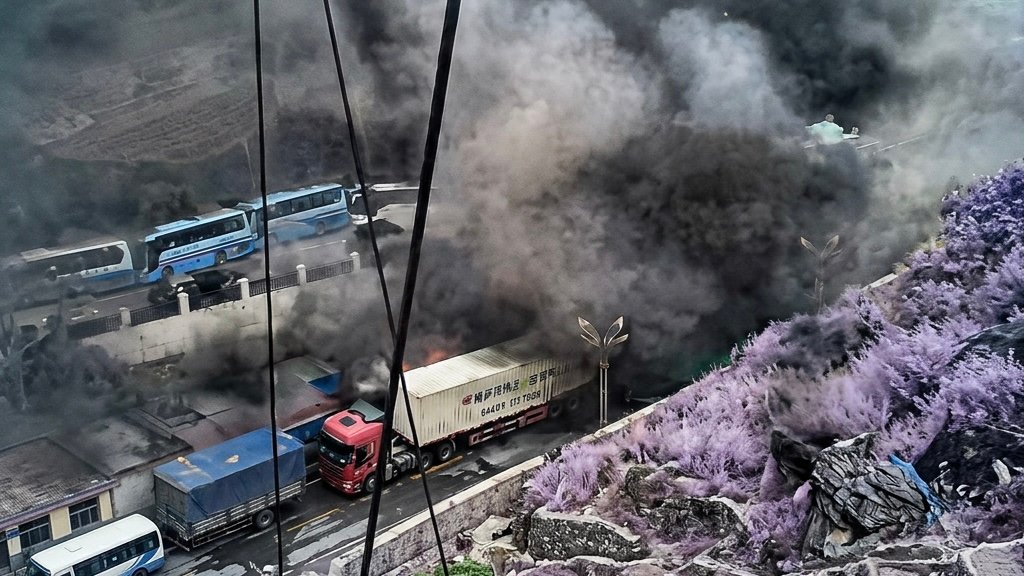
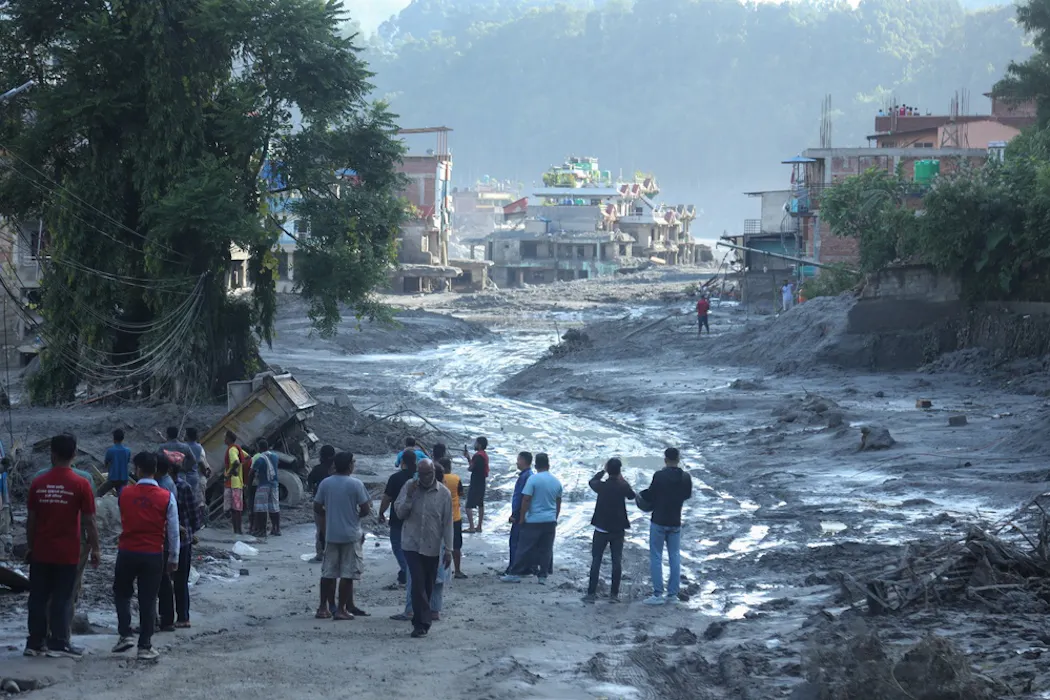
The places in Tibet where people have protested against a dam, gathered to pray or set out across the Himalaya for exile now have something else in common. Police drones fly over them, and anyone else who wants to fly needs the state’s permission.
Tibet Watch has traced this build-out through the Chinese state’s own paperwork: tenders, award notices, police bulletins, flight bans and training reports published between June 2017 and July 2026. The documents show security agencies buying drones, automated docking stations and counter-drone (counter-UAS) systems at every level, from the region’s anti-terror reconnaissanceunit down to county police stations. They show pilots being trained for “stability maintenance” (维 稳), a political term for suppressing dissent and enforcing compliance with Chinese Communist Party (CCP) policy, and the term under which DJI trained police in East Turkestan (Xinjiang) in 2017. Documents uncovered by Tibet Watch show the air over Lhasa and parts of four other prefecture-level areas closed to all but approved flights in August 2025, and procurement documents naming equipment made by DJI, the Shenzhen company that makes most of the world’s civilian drones, including in Britain. DJI faces major regulatory restrictions and import bans in both the United States and India.


 (1).jpg)
 (1).jpg)
 (1).jpg)
 (1).jpg)