

.png)
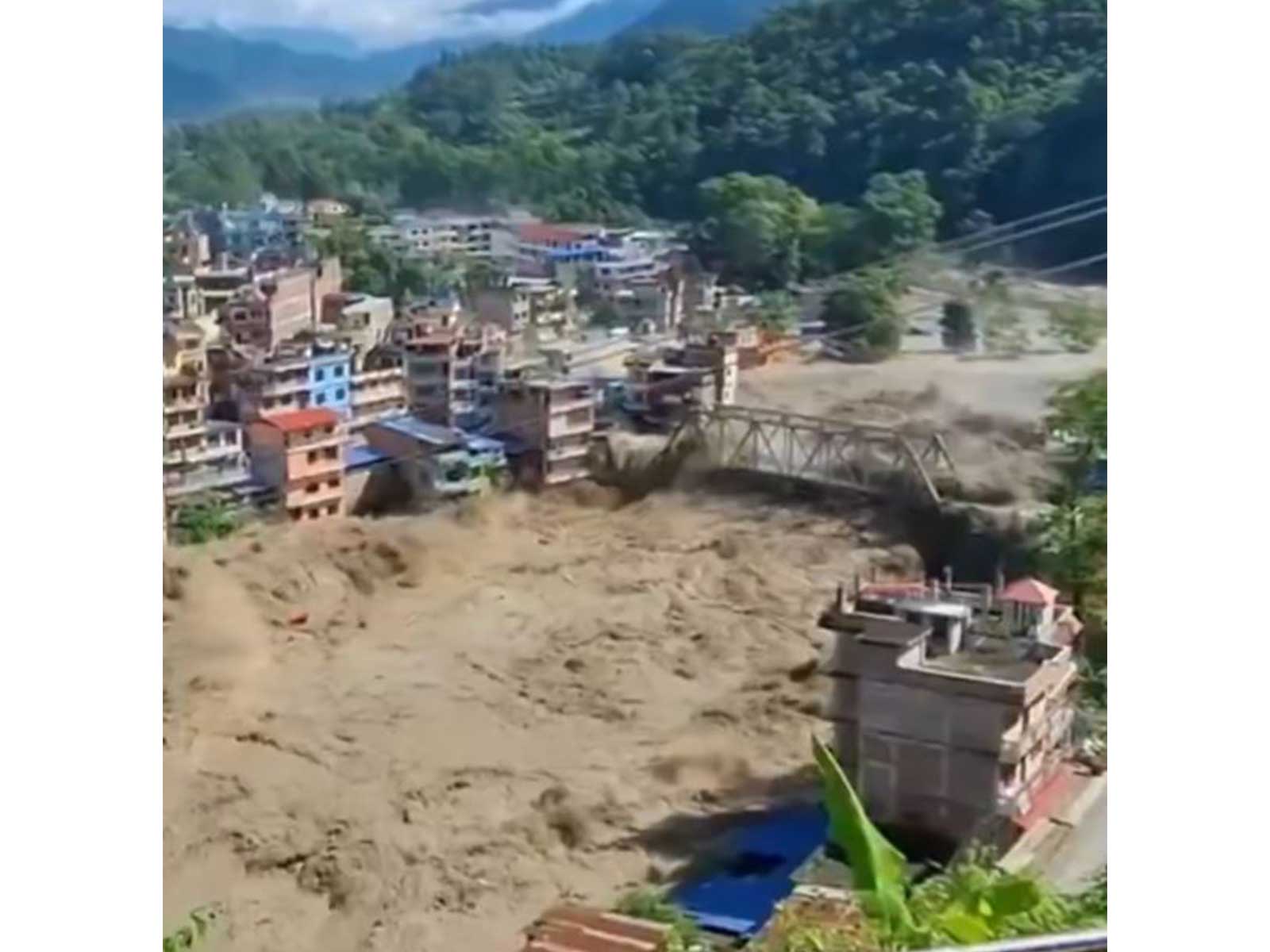
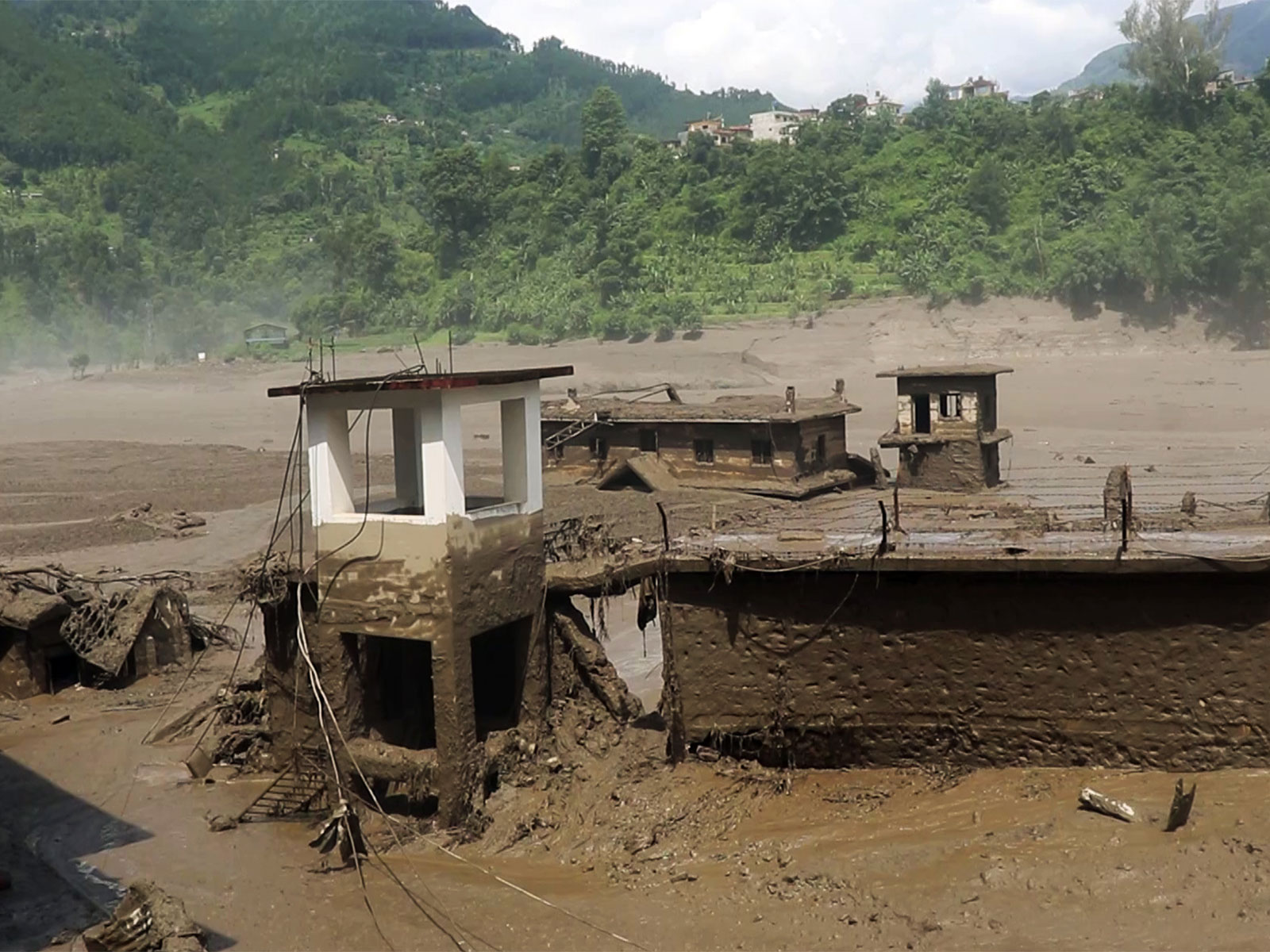
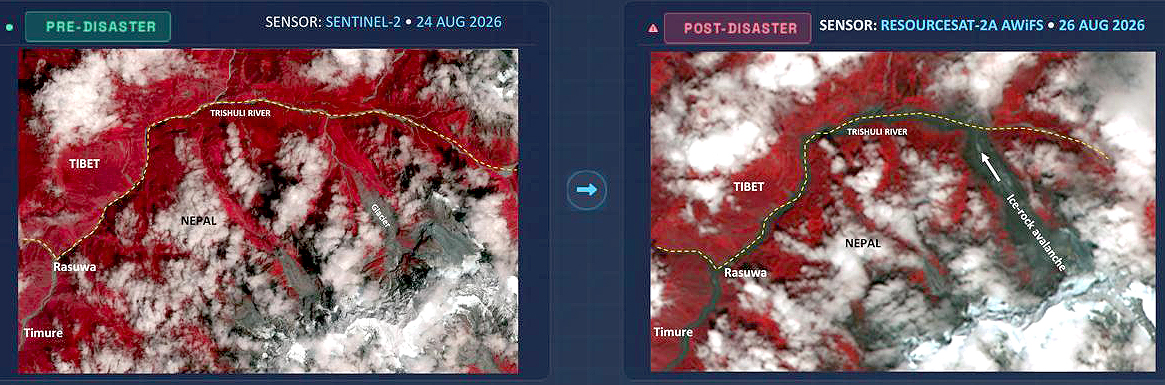
A powerful landslide involving ice and rock, rather than an earthquake, triggered the deadly flash floods that swept through parts of Nepal and Tibet, the United States Geological Survey (USGS) said, clarifying an earlier report of seismic activity.
The agency said seismic activity initially reported as an earthquake “was instead a glacial collapse and debris flow" that “caused subsequent catastrophic impacts downstream".
The USGS initially recorded what appeared to be a 4.4-magnitude earthquake at around 8:37 am, Nepal time on Wednesday along the Nepal-China border. It later revised its assessment, saying the event was “instead a glacial collapse and debris flow" that caused catastrophic impacts downstream.
“No earthquake had occurred," the agency said.
Reuters, citing an initial analysis of Planet Labs satellite imagery, reported that a landslide of ice and rock sent a massive debris flow into the Lhende Khola River, triggering a flood laden with mud an...



 (1).jpg)
 (1).jpg)
 (1).jpg)
 (1).jpg)