

.png)
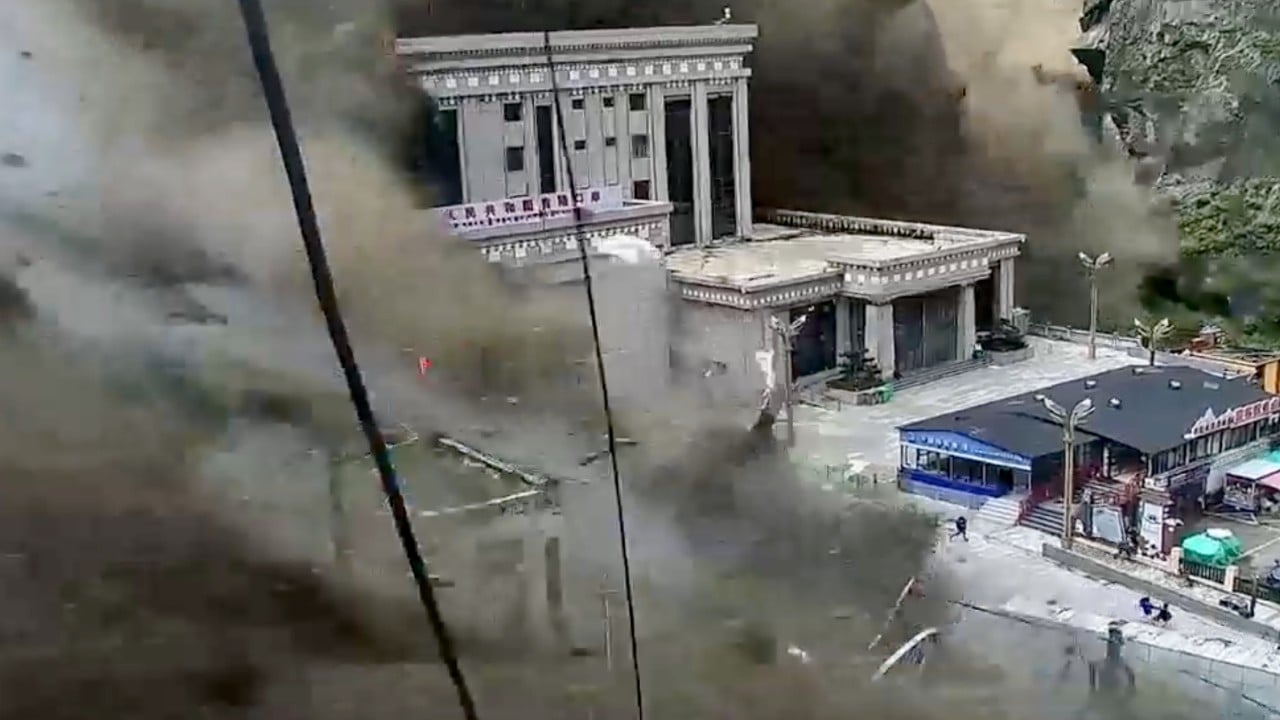
The devastation in Tibet from flooding caused by a glacial collapse in the Himalayas was immediate and profound. Entire communities were left in shock, families were torn apart and countless lives were disrupted. That was followed by deafening silence from the Chinese authorities. No official tally of the missing, no acknowledgment of the dead — only a void filled with rumor, grief and suspicion.
Disasters demand transparency. The first responsibility of the state is to inform its citizens of the scale of tragedy. By withholding that information, Beijing reduces Tibetan lives to abstractions, erasing their suffering from public record.
The refusal to announce casualties fits a long-standing pattern of Chinese authorities in Tibet suppressing information whenever Tibetans suffer disproportionately. Whether it is uprisings, self-immolations or environmental disasters, the state’s instinct is to conceal rather than confront.
By silencing reports of Tibetan deaths, Beijing avoids international scrutiny and domestic sympathy. To acknowledge Tibetan suffering would be to admit that Tibetans are distinct, resilient and enduring — qualities the state seeks to erase.
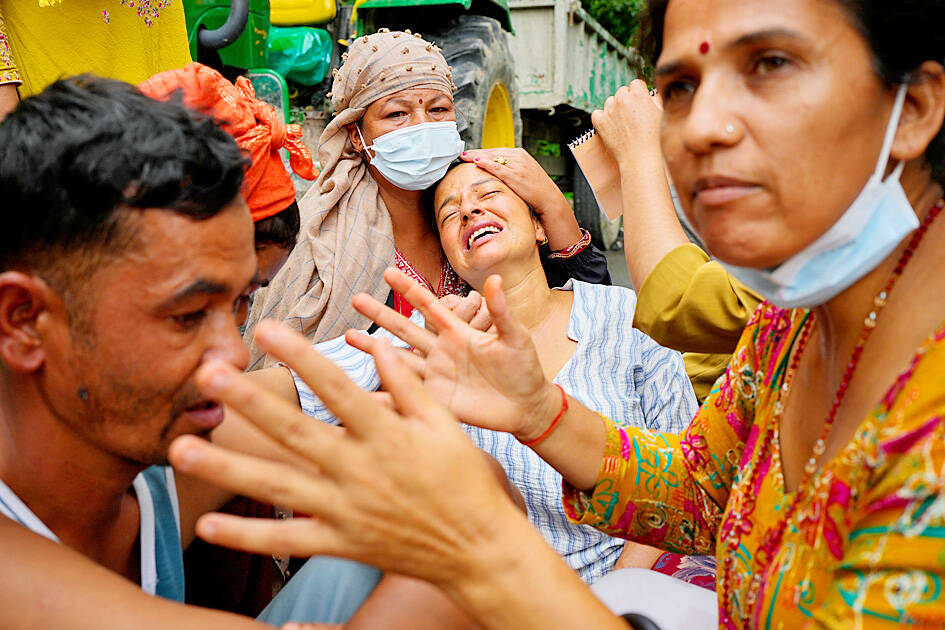
Behind the silence are families waiting for word that will never come. Mothers searching for children swept away by icy water, elders mourning neighbors buried under mud. The absence of official acknowledgment compounds the trauma, leaving Tibetans not only bereaved, but also invisible. The invisibility is itself a form of violence — a calculated erasure of Tibetan existence.
The flooding triggered by the glacial collapse is not just a Tibetan tragedy; it is a warning to the world. Tibet’s fragile environment, already destabilized by climate change and reckless development, is a harbinger of crises to come. If the Chinese state refuses transparency in this situation, what hope is there for honest reporting on disasters that affect millions across Asia?
The cover-up in Tibet is a rehearsal for broader denial.
The world must recognize the silence for what it is: a cover-up, not of numbers, but of lives. Until those lives are named, counted and honored, Tibet remains buried under more than debris — it remains buried under the weight of deliberate erasure.
Khedroob Thondup is a former member of the Tibetan parliament-in-exile.



 (1).jpg)
 (1).jpg)
 (1).jpg)
 (1).jpg)