

.png)
When a cyclone destroyed Chompa Munda’s home in coastal Bangladesh in 2019, she and her son went days without food. When the next one came in 2024, her phone lit up hours before it made landfall.
A US$43 (£31) transfer was sent straight to her bank account because a weather forecast had crossed an agreed threshold. She bought food, drinking water and candles, and left for a storm shelter.
Cyclone Remal still flooded her house, but the money had already arrived. The leftover funds helped her rebuild. Funding was released a day before the storm hit, meaning 150,000 people had cash in hand. No appeal, no assessment, no waiting for anyone to decide.
The same idea is now being tried with entire national budgets.
Read more: Climate disasters will send many countries into a debt spiral – but there’s a way out
Jamaica has been through the same two-storm sequence. Hurricane Beryl struck in July 2024, causing damage worth 1.9% of GDP. It was the third most destructive storm to hit the island in 25 years. The country had prepared, with a catastrophe bond, insurance and loans. The insurance paid out to the tune of US$26.9 million. The bond paid nothing at all. Had Beryl run 15km further north, it would have released US$45 million in bonds, but the storm passed just south and the threshold went unmet.
Sixteen months later came Hurricane Melissa, the strongest ever recorded to hit Jamaica, hitting more than 40% of GDP. Within days, the government mobilised US$662 million in liquidity from national reserve funds, Caribbean parametric insurance, a catastrophe bond plus contingent facilities from the World Bank and the Inter-American Development Bank, arranged long beforehand. The difference between Beryl and Melissa was disaster risk finance working in a system at scale. Melissa was severe enough to trigger all of it at once.
Read more: Nepal-Tibet floods: when disaster strikes before communities recover from previous climate extremes, crisis escalates
Why disasters get more expensiveClimate damage destroys capital and cuts labour productivity, so tax revenue falls at exactly the moment recovery spending rises. That threatens debt sustainability. Lenders respond the way banks do to any risky borrower, by charging more.
Using vulnerability indices of the kind I helped build with Jeff Schlegelmilch, director of the US National Center for Disaster Preparedness, researchers have found that as a country’s exposure rises, so does the interest it pays. Investing in resilience brings that cost back down.
The obstacle is politics. As University of Oxford economists articulated in a 2016 book, ministers who plan ahead get no credit for it. There is also a trade-off: thresholds are absolute, so a storm falling just below the line pays nothing. And it works far better for floods and cyclones, which arrive on a timetable, than for droughts.
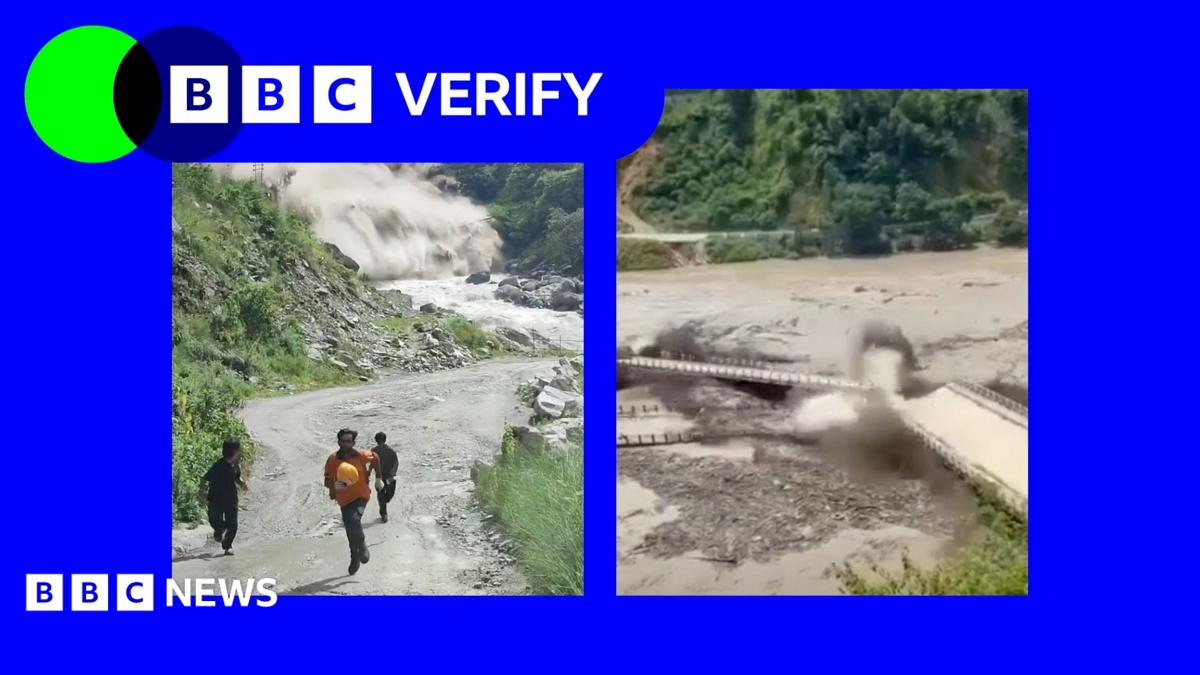
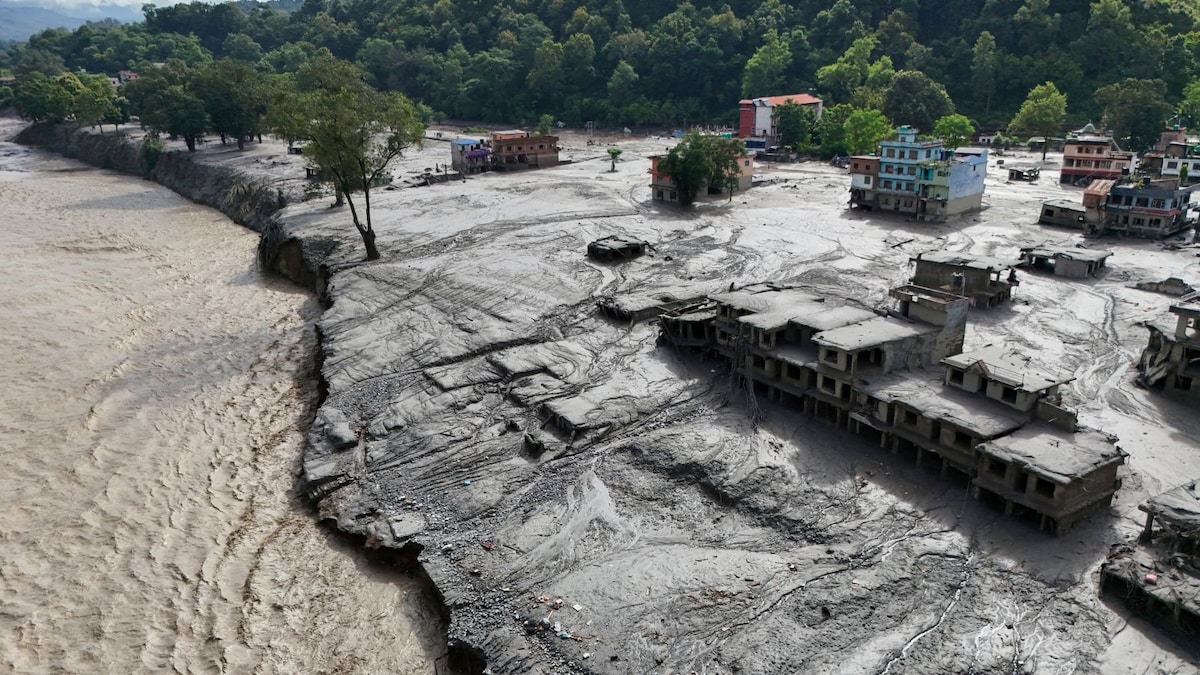
Recent flash floods on the Nepal-Tibet border, which killed dozens and left hundreds missing, appear to have been triggered by an avalanche of ice and rock rather than by rain. A cyclone can be forecast. For a landslide or glacial collapse on a mountainside, forecasting is more complex; it is tricky to design a threshold for this to move money quickly. Though, there have been calls for stronger early-warning systems.
What preparation buysPost-hurricane Melissa, Jamaica secured US$6.7 billion for reconstruction on concessional terms. The Jamaica Red Cross became the first national society in the Americas to release money before landfall through a disaster fund. Moody’s (a global financial and risk assessment company) upgraded Jamaica’s sovereign rating in the months after the hurricane, citing the country’s institutional strength and its disaster financing. Public debt in small states typically rises by 6% of GDP after a disaster; Jamaica went the other way.
The Philippines is the world’s most disaster-exposed country. In late 2024, six cyclones struck within a month. This triggered the first activation of its forecast-based financing system, releasing funds within minutes of the thresholds being met, and 72 hours before landfall. This system was written into law.
In September 2025, the Philippines passed a state of imminent disaster law, a world first in legislating anticipatory action. Two months later, three days before Typhoon Uwan made landfall, the threshold was met, and the system worked. The decision was not political. It didn’t depend on a minister’s judgment call as the storm approached. A total of 42,100 families received cash before the typhoon made landfall and the number of casualties remained low.
Pricing a disaster that didn’t happenDamage is counted directly. After Hurricane Melissa, assessors tallied roofs, hospitals and ruined farmland. Damage is easy to count. Avoided loss is not. It is the gap between what happened and what would have happened had the money come later, or not at all. Economists call the missing comparison a “counterfactual”. This is a central problem in economics.
When Bangladesh moved from responding 100 days after a flood to acting 48 hours before, at half the cost, that was a comparable before-and-after. The fiscal and financial counterfactual is far harder, because no country is hit by the same storm twice.
Jamaica’s credit upgrade is suggestive rather than conclusive. Beryl and Melissa were different storms, 16 months apart. Most avoided-loss figures are modelled rather than observed. The best we have is counting returns on adaptation investment. Adaptation, put simply, is preparing for and adapting to the expected impacts of climate change. According to research from the London School of Economics, that is more cost effective, at around five dollars for every dollar spent in lower-income countries.
The evidence we have stops too early. Household studies of early action are rigorous but short – the largest review found none following families beyond six months. Fiscal returns take longer to show up. It can be three years before benefits exceed costs, with effects on borrowing continuing until 2050. Between early action and fiscal analysis lies a window for climate resilience that nobody measures. That’s the focus of my work and doctoral studies.
This explains why pre-arranged financing (finance paid in advance) was only 1.2% of all crisis financing in 2023 according to the Centre for Disaster Protection.
The Sevilla Platform for Action is a campaign to reform how lenders treat climate-vulnerable countries aims to scale pre-arranged financing to 20% of total disaster financing by 2035.
When governments meet at the UN’s climate summit in Turkiye this November, a core debate will be about how large the climate finance pot should be and when that money should arrive.
Amy Campbell writes here in a personal and academic capacity as a doctoral researcher. She is affiliated with the British Red Cross and Red Cross Red Crescent Climate Centre as an independent consultant on climate resilience financing, and she is employed by Start Network. Views expressed here are solely her own.



 (1).jpg)
 (1).jpg)
 (1).jpg)
 (1).jpg)