

.png)
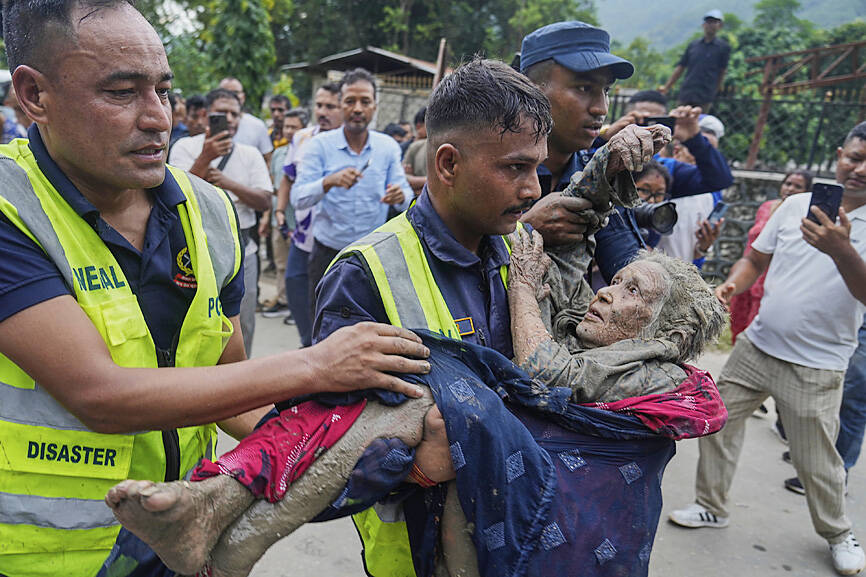
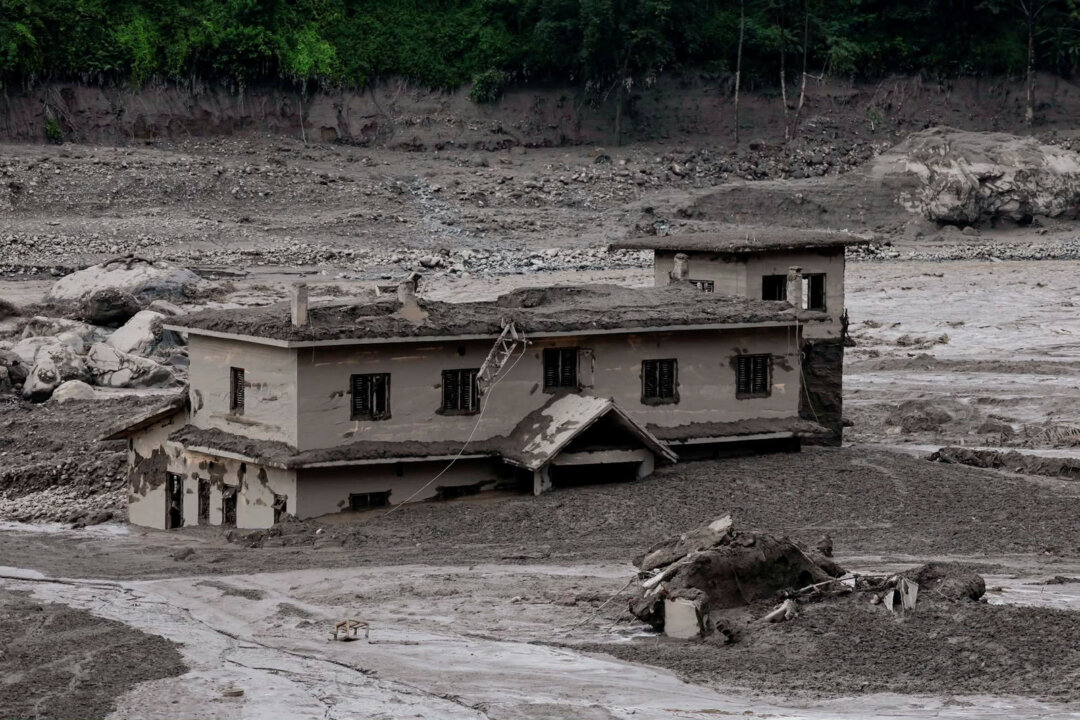
The devastating floodsc that have swept through the Nepal–Tibet border region are first and foremost a human tragedy. Hundreds of people have died or remain missing.
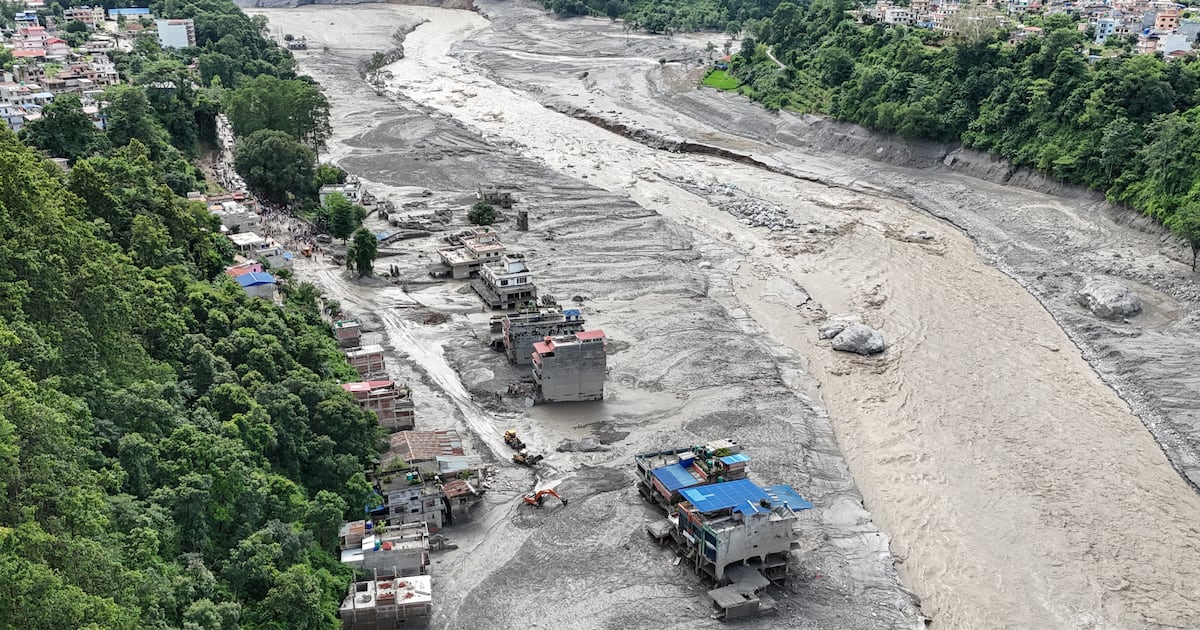
But as scientists begin to reconstruct what happened, the event also exposes something fundamental about the way we understand natural hazards in high mountain regions. Mountains and rivers do not reset after an extreme event. A landslide changes a slope. A flood rearranges a river. A retreating glacier exposes sediment and unstable ground. Each disturbance changes the conditions in which the next one occurs. In the Himalayas, those connections can turn individual hazards into destructive hazard cascades.
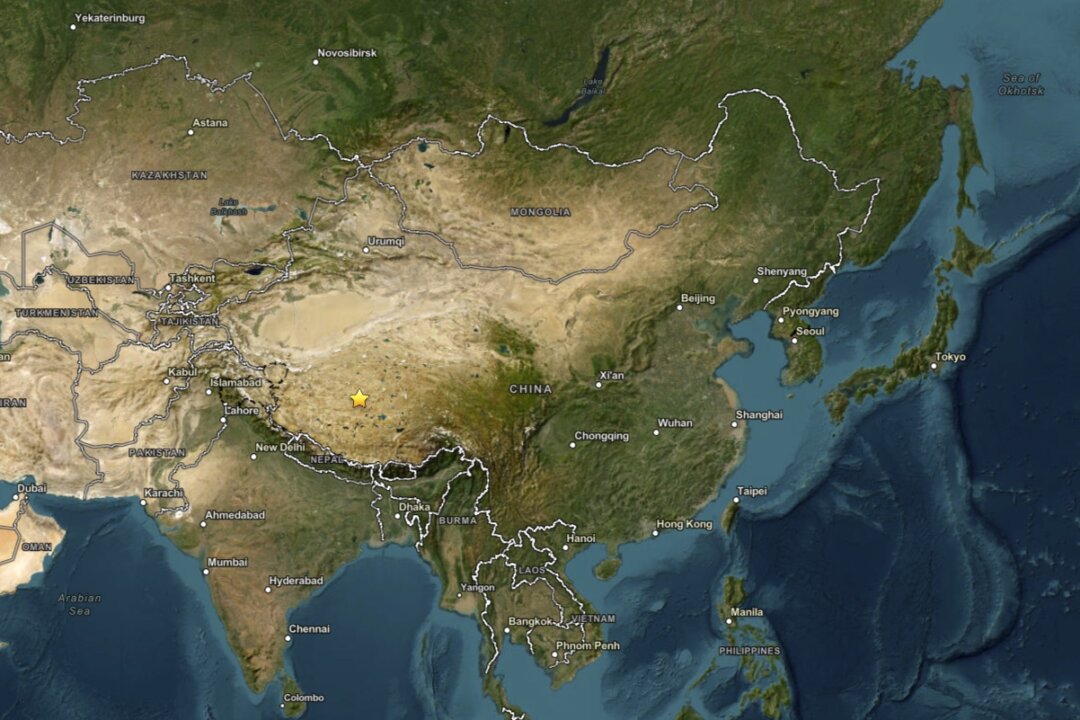
Early satellite and seismic evidence indicates that this disaster began high in the mountains with the collapse of part of a slope and steep glacier in Tibet. A huge mass of ice and rock travelled rapidly into the valley below, mobilising water, sed...

 (1).jpg)
 (1).jpg)
 (1).jpg)
 (1).jpg)