

.png)
By Tenzin Chokyi
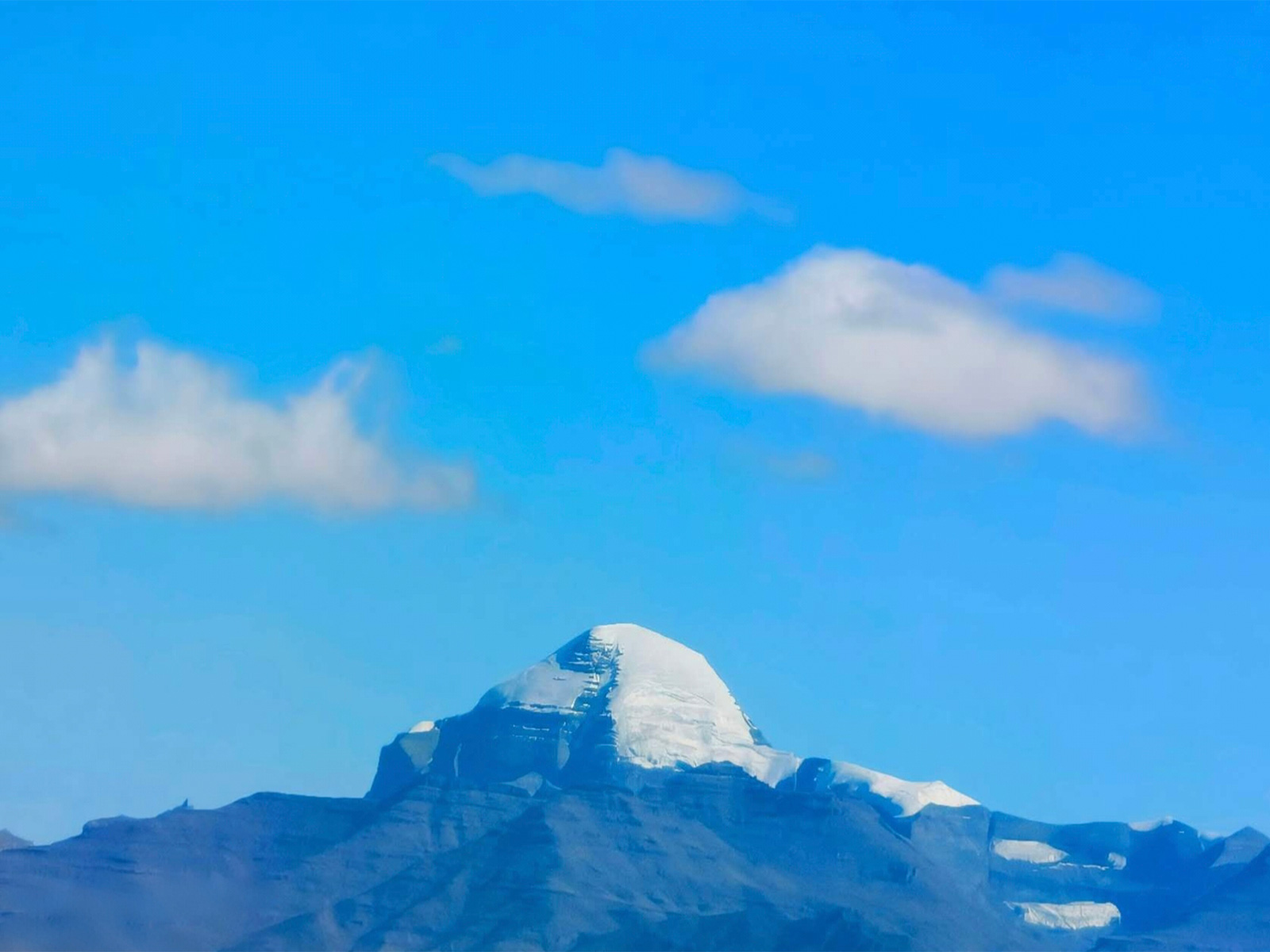
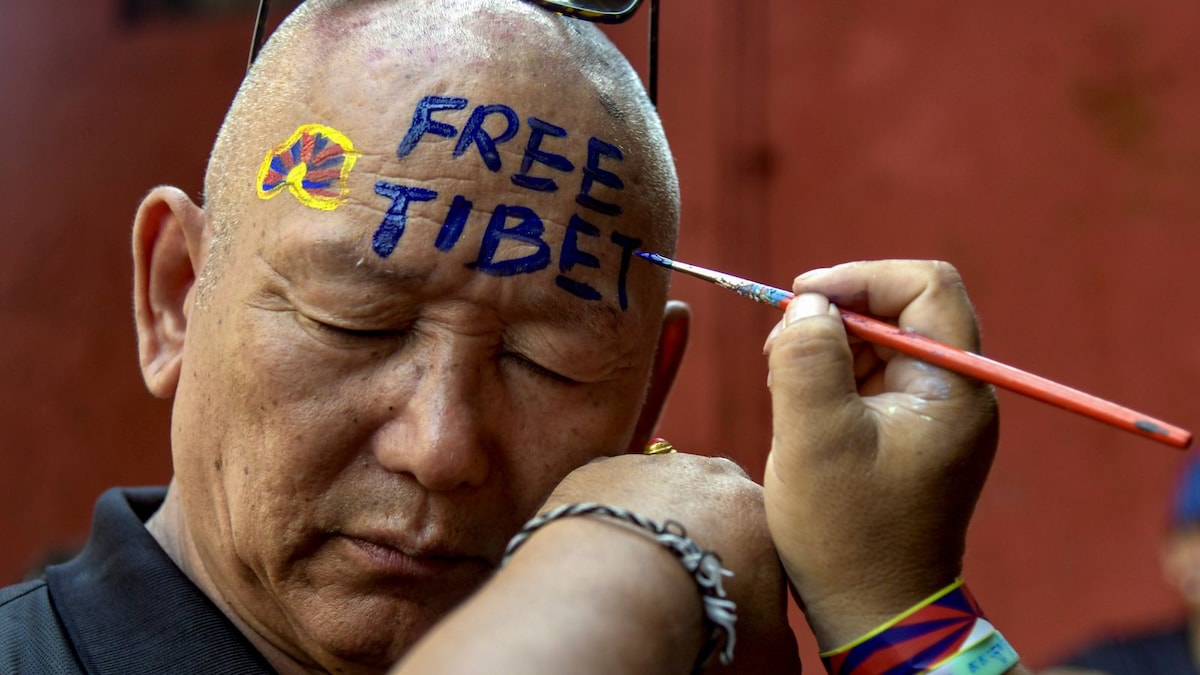
DHARAMSALA, 13 August: As exile becomes accustomed to a crushing sense of paralysis, where the geopolitical landscape can often feel unmoving, Tibetan refugees inscribe living shrines of their homeland onto their bodies through tattoos—transforming themselves into walking, breathing archives of Tibet.
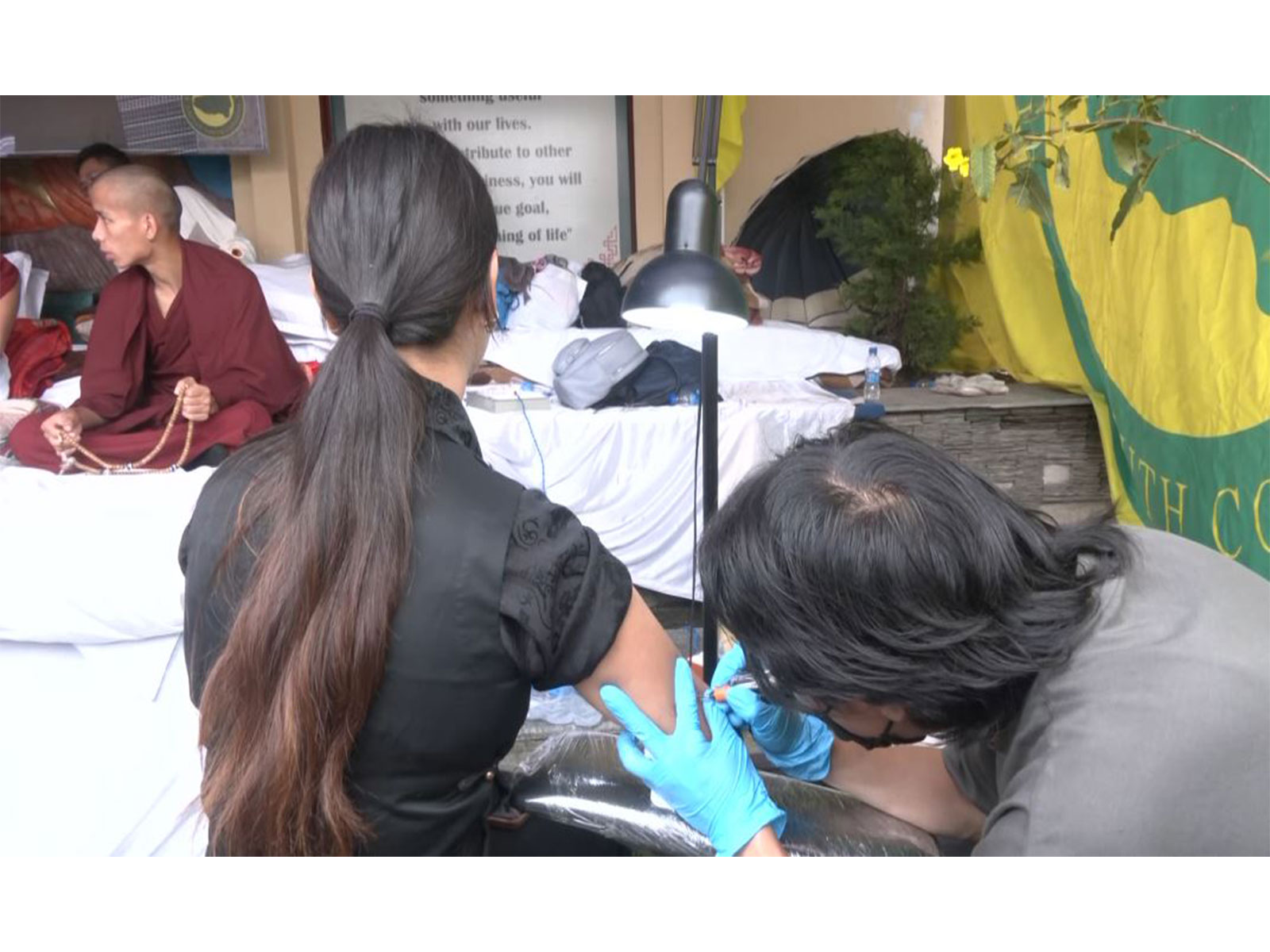
At opposite corners of the hunger strike site, two young Tibetan tattoo artists, Sonam and Tenzin Kalsang, sit quietly with their equipment. Outside Tsuglagkhang, the Dalai Lama temple in McLeod Ganj, the Tibetan Youth Congress’ global hunger strike has entered its 42nd day in solidarity with Pawo (Martyr) Lobga Rangzen, the Tibetan independence activist who died after self-immolating outside the United Nations headquarters in New York on 2 July.
Amid solemn chants and fasting activists, the two artists lay out their needles, cleaning wipes and ink caps. Between them rests a shared lookbook filled ...

 (1).jpg)
 (1).jpg)
 (1).jpg)
 (1).jpg)